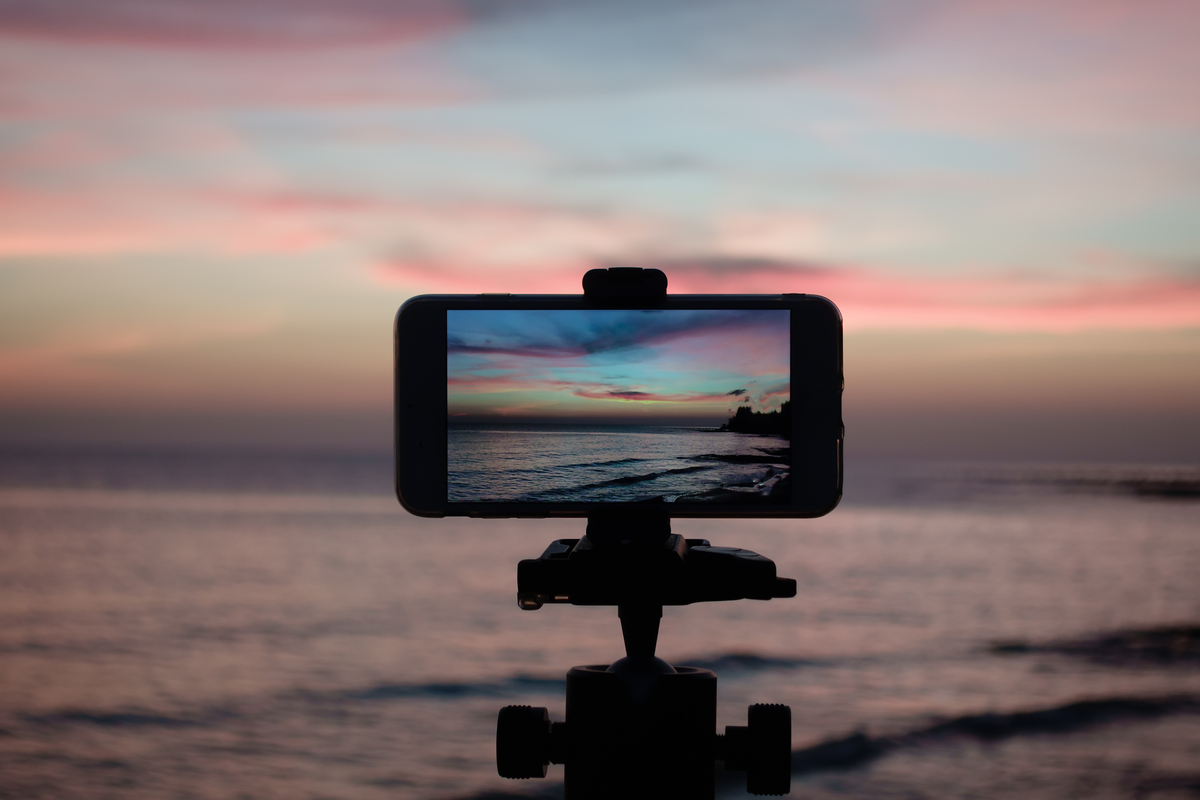
Smartphones are now capable of far more than just quick snapshots. These days, when people reach for a camera, they often mean the one in their pocket — and they expect razor-sharp detail, natural bokeh, rich colors, and flawless low-light shots. In 2026, many manufacturers are focusing exactly on that: better sensors, smarter software, and plenty of AI power.
But which phone with the best camera really delivers — not just on paper, but in real life? Is it the new Google Pixel with its top-tier software, Xiaomi’s Ultra model, or once again an iPhone? In this article, we compare the best camera smartphones of the year, explain what really matters, and help you find the right model for your own needs.
Phone with the Best Camera
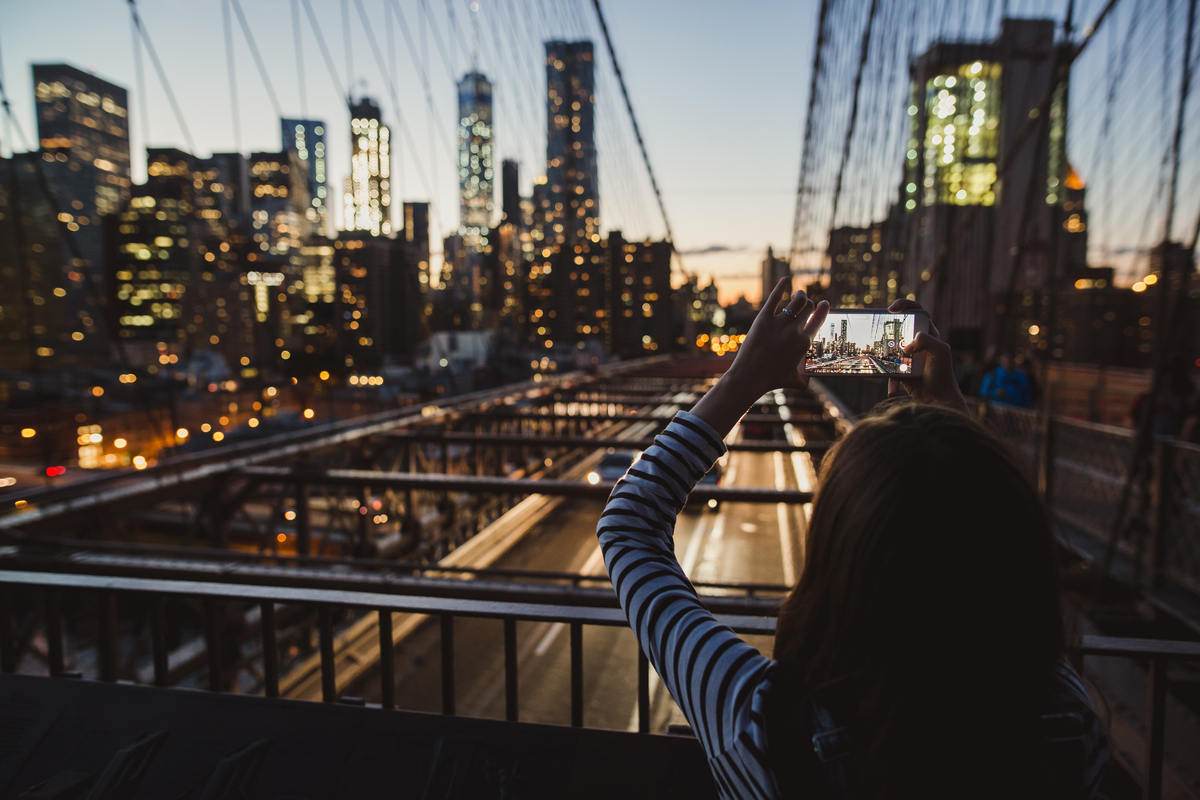 Finding the phone with the best camera is more difficult today than ever before. Almost every flagship promotes new superlatives: more megapixels, a larger sensor, even better AI. But in practice, one thing matters most — how well the overall package of hardware and software works together. That is exactly what we focus on in our 2026 comparison.
Our Evaluation Criteria in the Camera Phone Test
What makes the best phone camera in 2026? It is no longer just about megapixels. What matters is the interplay of hardware, software, and what ultimately looks convincing on the display or in print. Our evaluation is based on the following aspects:
- Image quality in daylight and at night: Colors, dynamic range, noise performance, and level of detail under different lighting conditions
- Zoom performance and ultra-wide angle: How well do telephoto lenses or ultra-wide cameras perform in everyday situations?
- Portraits & Bokeh: Natural-looking subject separation, skin tones, and smooth transitions — essential for portrait photography
- Video quality: 4K, 8K, stabilization, audio quality — anyone shooting video needs more than just sharp images
- Software and processing: How fast is the camera? How intuitive is the app? How good are the AI features?
- Low-light performance: This is where the wheat is separated from the chaff — good night shots require strong algorithms and large sensors